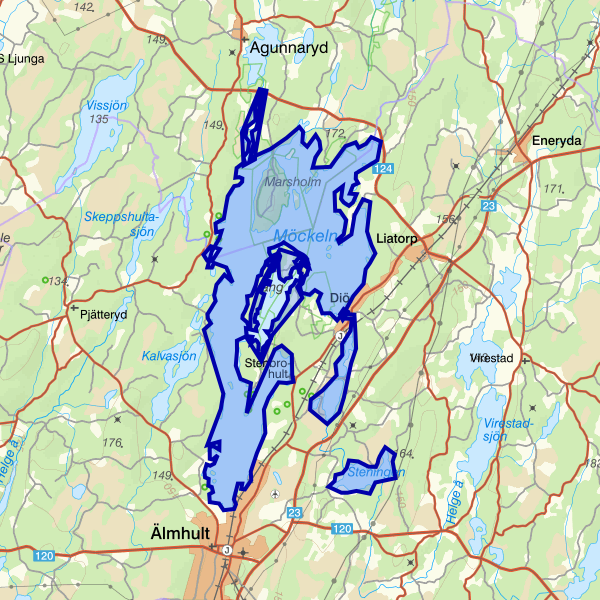
Lake Möckeln is the third largest lake on the Småland lake plateau after Bolmen and Åsnen and is located southwest of Växjö, near the border with Skåne. Möckeln is a nutrient-poor so-called brown water lake or dystrophic lake with a relatively low pH, naturally. Like other similar lakes in Sweden, Möckeln was affected by acidification and liming is now carried out regularly.
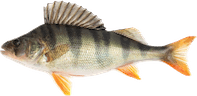
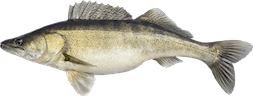
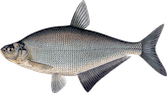
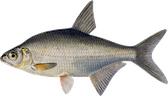
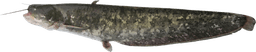
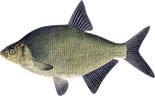
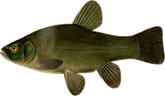
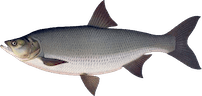
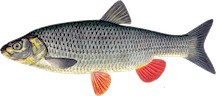
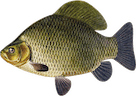
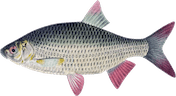
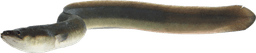
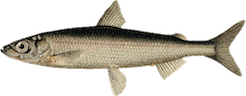
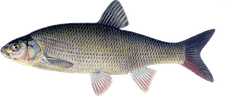
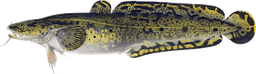
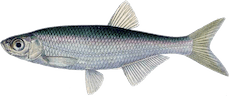
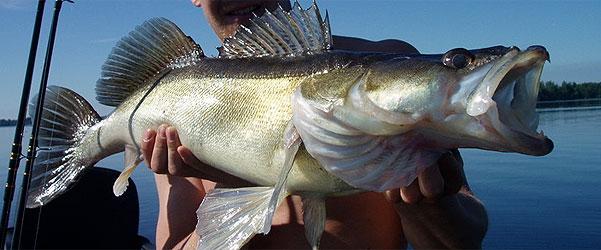
Among the fish species found in Möckeln are perch, pike, zander, eel, roach, roach, bream, roach, rudd, rudd, bream, chub and catfish. Catfish is Sweden's largest inland fish and has one of its four occurrences in the country in Möckeln (the others are Emån in Småland, Båven in Södermanland and the lower Helgeån water system, Kristianstad's water kingdom in Skåne). Especially in the northwestern parts of the lake, around the outlet of the Agunnarydsån, the catfish has a strong and stable population. The catfish is a protected fish and must be released immediately if caught. The largest catfish caught in Möckeln and documented (in 1994) weighed 52 kg. The most common fish species in the lake are pike, perch, zander, bream and roach. Fishing for zander in particular is very popular in the lake.
The lake has an area of 48 km² and is located approximately 136 meters above sea level. The greatest depth is 12 meters. The length is approximately 16 kilometers from north to south. The greatest width in the northern parts is almost 7 kilometers, but the southern and middle parts are narrower by approximately 1 - 1.5 kilometers. There are three tributaries, the larger Helge å which flows into Möckeln at Diö in the northeast, and the two smaller Lilla Helge å and Agunnarydsån which flow into the lake furthest to the northeast and northwest respectively. The outlet from the lake is at the properties Älvanäs and Byvärma in the northwest, where Helge å then continues south towards Hanöbukten in eastern Skåne. A previous outlet existed before the lake was lowered in the southern part of the lake. This outlet to the south connected Möckeln with Drivån via the now lowered lakes in Älmhult and Ormakulla. The water flow southwards powered now-vanished mills in the villages of Slätthult and Kongstorp.
Due to lake lowering and municipal land development in the 20th century, this former outlet has now been transformed into a temporarily stagnant stormwater inflow to Möckeln. The water level can vary about 1 meter up or down above the mean water line (137 to 135 meters above sea level) depending on precipitation and inflow, but the lake is not regulated. [Source: Wikipedia]