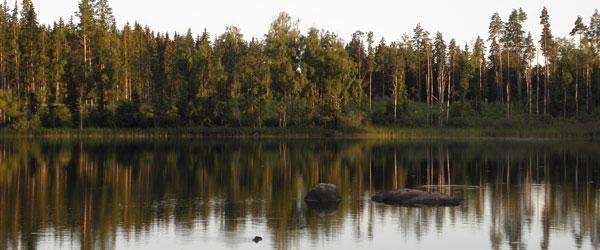
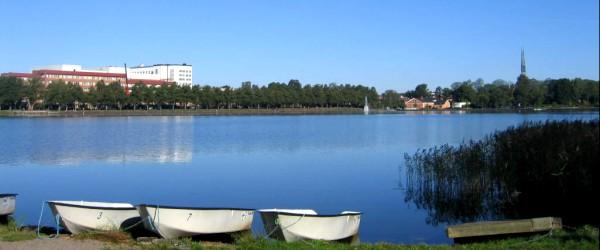
In Växjö there are around 200 lakes to choose from, even in the city center of Växjö. Fishing is offered in the lakes Växjösjön, Trummen, Barnsjön and Södra and Norra Bergundasjön. In Växjö, extensive work is underway to improve the water quality in the waterways and through this work it has improved significantly.
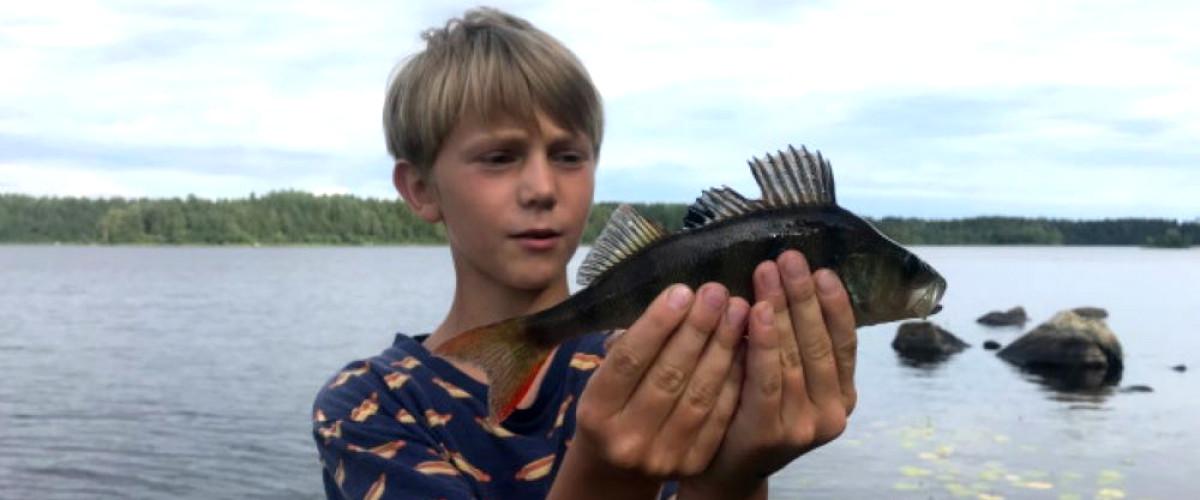
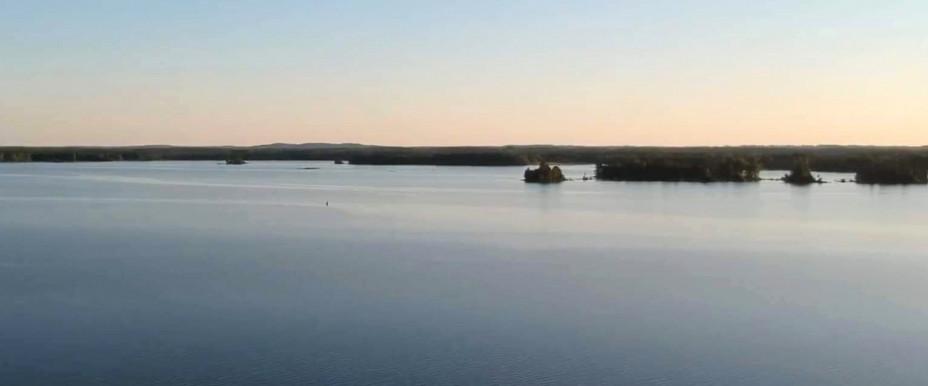
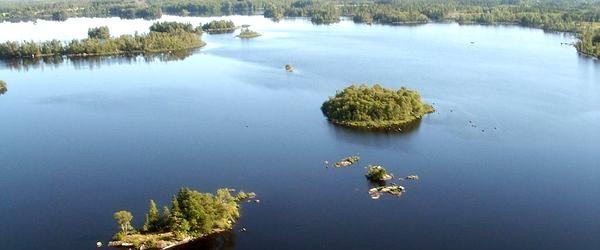
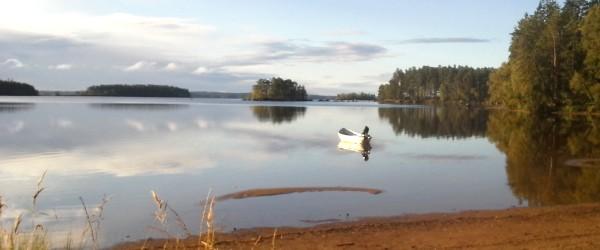
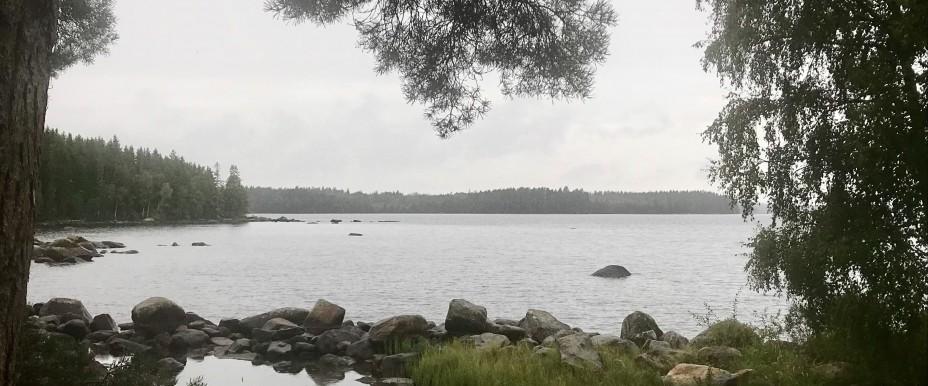
If you want to leave the city and city fishing in the middle of Växjö, you can instead find your way out into the beautiful Småland forests. Many of the lakes around Växjö are part of the 186 km long Mörrumsån water system, such as Helgasjön and Åsnen. Åsnen is a fishing paradise of 15,000 ha of water and with a shoreline of 740 km. It is also one of the largest fishing lakes in southern Sweden. The lake has many islands, fjords and bays, which provides diversity and variation. It also has a rich fish fauna, and you can catch pike, perch, zander and eel, among other things. Parts of Åsnen's scenic environment are also a national park.
Helgasjön is located just north of Växjö. The lake is surrounded by changing nature with several heights, forests and meadows, with varying settlements. The lake has several wide fjords and intermediate larger and smaller islands, which form straits and archipelago-like sections. There are also patchy beaches and bays with shallower water. The lake has a rich fish population consisting mainly of perch, zander and pike, but also bream, roach, roach, tench and roach. It also has an old population of trout. The lake has protected spawning grounds for trout and fish migration routes have been built to promote its population and development. During August and September, signal crayfish are caught in the lake.
The Mörrumsån itself is sometimes known as the Helige å and Helge å and has a fine salmon river, but fishing for sea trout also works. As usual, the best fishing spots are very close to roads and parking lots. If you walk a bit and dare to try new places, there is still a lot to discover in Helige å, although mostly deep and calmer parts - but on the other hand these are almost unfished.
When fishing and staying in nature, the right of public access applies, which means freedom but also consideration and responsibility.